Post
Pet Clothes MOQ Explained: What 50 Pieces Per Colour Really Means
Understand what 50 pieces per colour means for pet clothes MOQ, how size and private-label rules change the order, and how to plan a profitable first assortment.
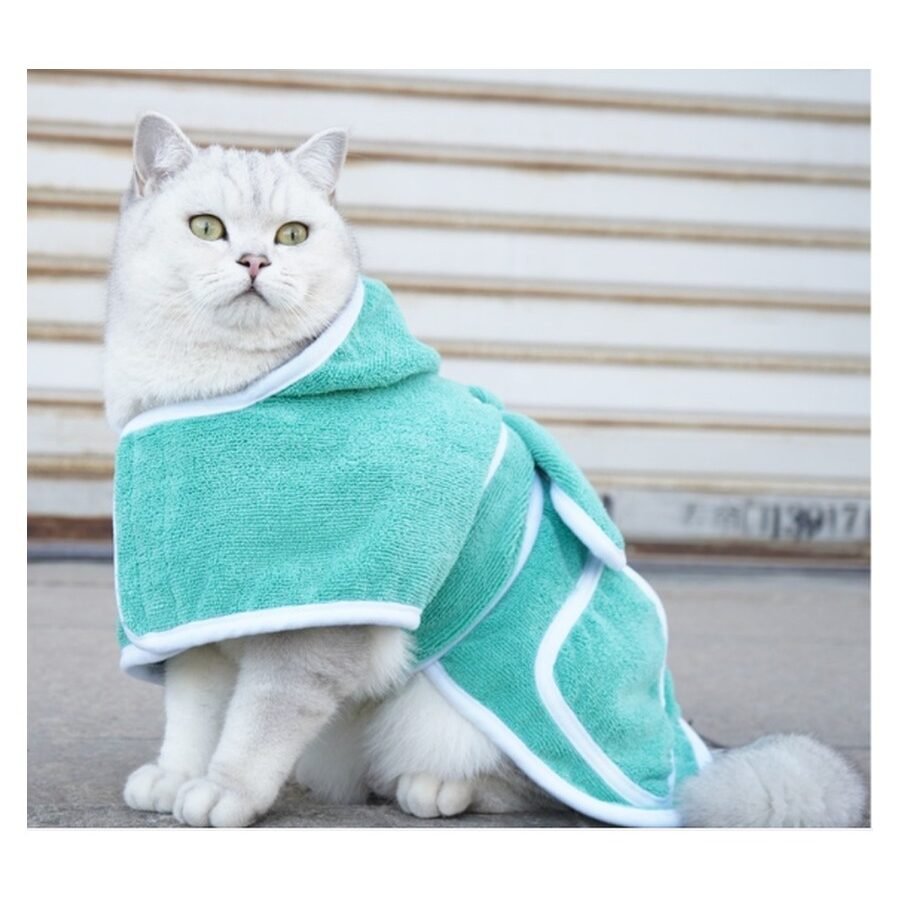
The phrase pet clothes MOQ sounds precise until a buyer asks what is being counted. Is the minimum 50 pieces of one style, 50 pieces in one colour, or 50 pieces in every colour and size? Those interpretations can turn a 200-piece plan into an 800-piece commitment before sampling even begins.
This guide explains how to read a pet clothing minimum order quantity, check the size matrix and compare factory quotations. It is written for importers, distributors, online retailers and private-label brands sourcing wholesale pet clothes from China.
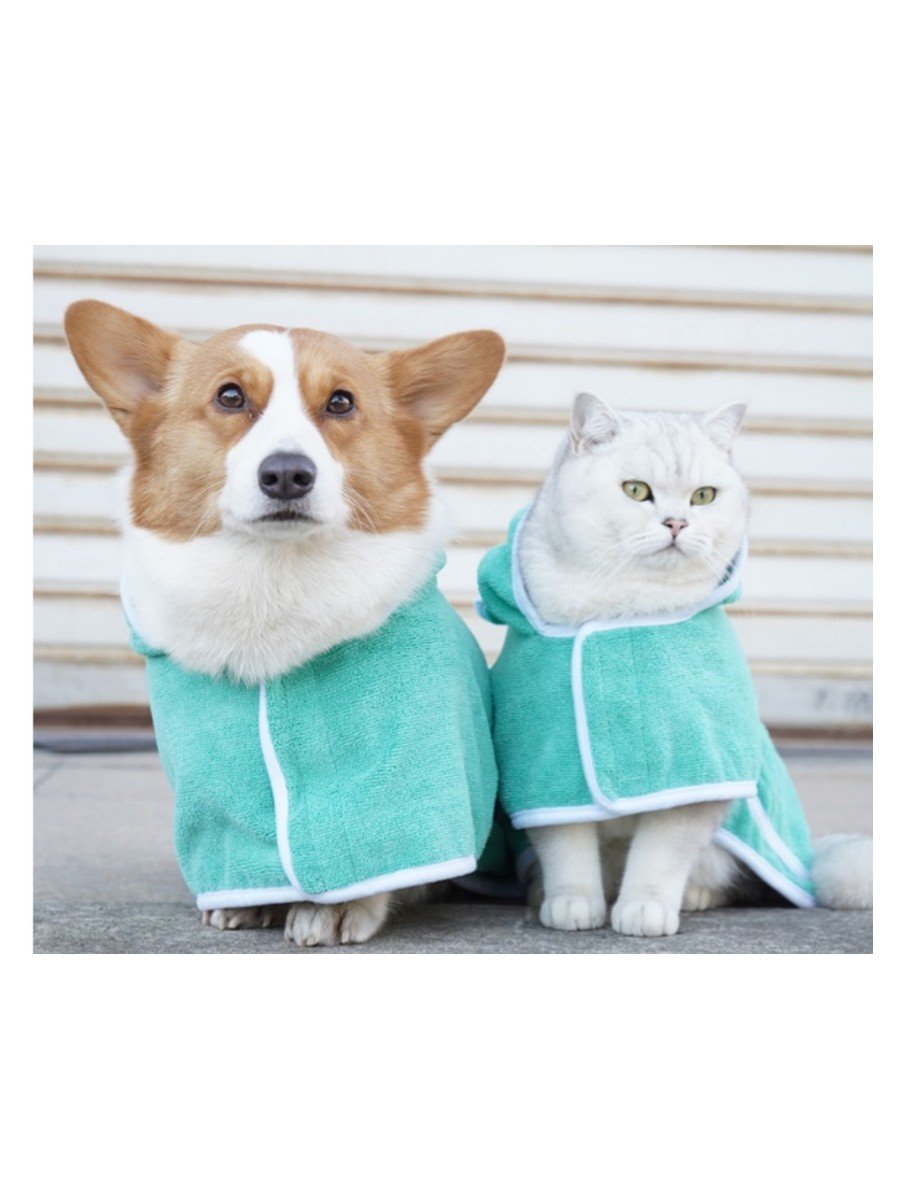
What does “50 pieces per colour” really mean?
The wording should identify whether the minimum applies to a style, a colour, or a colour and size. Some factories can mix sizes within a colour minimum. Others count every colour-size combination separately. The quotation is incomplete until that unit is written down.
Fuxin’s published stock-fabric policy is 50 pieces per colour per size. That means one colour in four sizes can require 200 pieces, before a second colour is added. A supplier that quotes only “50 per colour” may be using a more flexible matrix, but the buyer should not assume that without a written size breakdown.
| Quotation wording | How the quantity may be counted | Example: four-size order | Main risk |
|---|---|---|---|
| 50 pieces per style | Total units across the approved colours and sizes | 50 total | Very thin quantities per size can create gaps in the range |
| 50 pieces per colour | Units in one colour, with the size split still to be confirmed | 50 per colour if sizes may be mixed | The supplier may later require a minimum per size |
| 50 pieces per colour per size | Every colour-size combination reaches the minimum | 200 in one colour across four sizes | A broad range creates a much larger inventory commitment |
| 300 pieces per custom design | A private-label or custom-material programme with its own setup | 300 per design, then allocated by colour and size | Custom labels, fabric or packaging add their own minimums |
Use the strictest plausible reading when you build a cash-flow forecast. Then compare it with the supplier’s size ratio. If the difference between 50 and 200 pieces changes the viability of the launch, ask for the size matrix before approving samples.
MOQ changes when the product becomes custom
Stock styles normally have the simplest minimum because the factory already has the pattern, approved materials and production method. Customisation adds separate planning commitments. A supplier may quote one minimum for a stock dog coat and another for a private-label version of the same coat.
| Product level | Factory work involved | What the buyer must confirm |
|---|---|---|
| Stock style | Existing pattern, available fabric, standard packaging | MOQ unit, permitted size ratio and reorder quantity |
| Logo addition | Label, print, embroidery or hangtag | Whether branding materials have a separate minimum |
| Design adjustment | New pattern, fit, trims or construction | Sample fee, revision limit and bulk-production minimum |
| Custom fabric or colour | Fabric sourcing, dyeing or printing | Mill minimum, lead time and liability for unused material |
| Private label | Labels, care tags, packaging, barcodes and pattern control | Programme minimum, artwork approvals and exclusivity terms |
If you need branding, review the private label pet products service before asking for a final price. Separate the stock purchase from the custom programme where possible. This lets you test a style with stock fabric and reserve custom labels, packaging or a new pattern for proven demand.
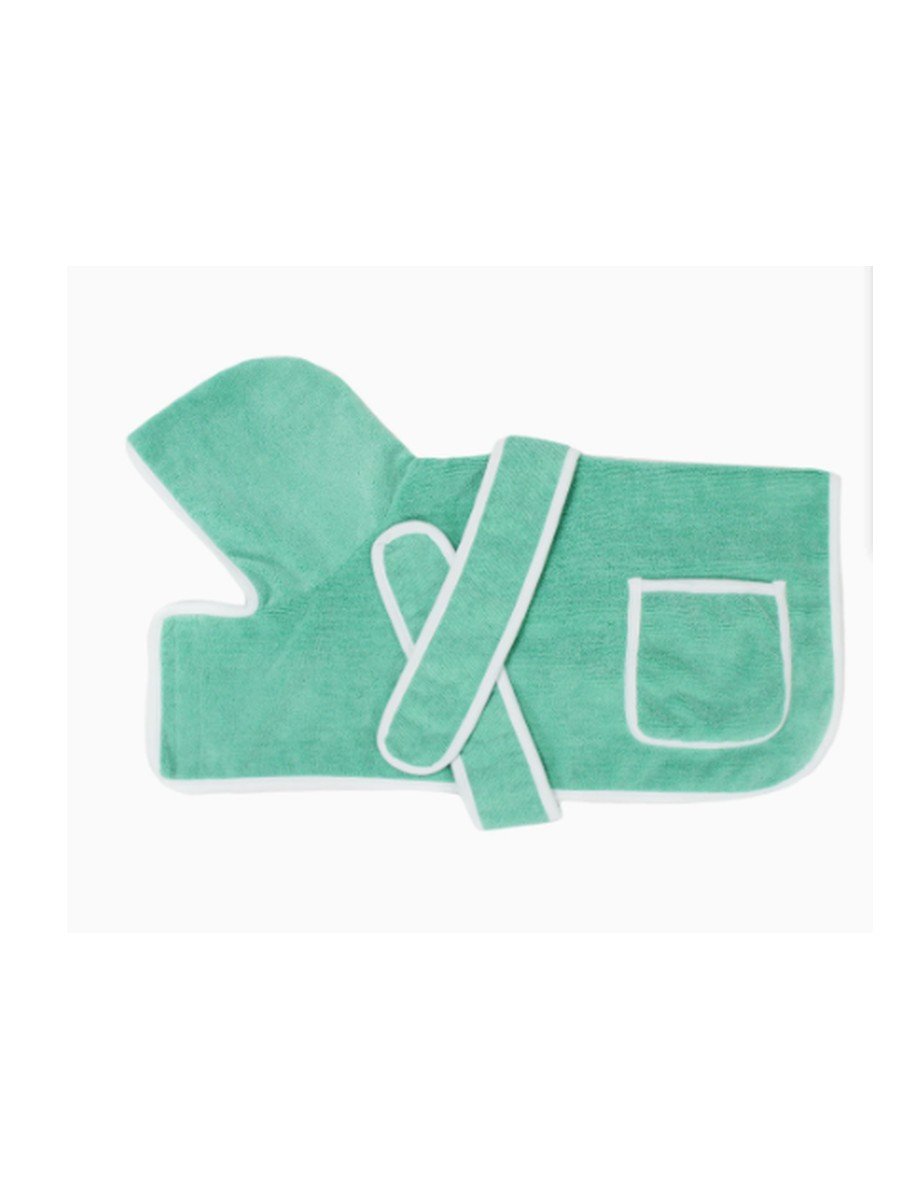
How to build a sensible first order
The best first order is a sellable matrix, not the largest catalogue count your budget can reach. Start with the customer you can actually serve and the climate or use case you can promote. A cold-weather retailer needs a different size curve from a boutique selling light everyday outfits.
- Choose one commercial use case. Decide whether the range is for winter walks, everyday wear, travel, gifting or seasonal events. Avoid blending unrelated demand assumptions into one MOQ calculation.
- Limit the colour range. Use one dependable neutral and one accent colour. Every additional colour multiplies the commitment when the minimum applies per colour or per colour-size.
- Build a three-stage size forecast. Ask for the factory’s recommended ratio, compare it with your own sales data and identify the smallest reorder quantity for each size.
- Reserve a sampling budget. Fit approval can prevent an entire order from being tied to the wrong measurement. Use the wholesale FAQ to prepare sampling and measurement questions.
- Write the order as a matrix. The purchase order should show style, colour, size, quantity, logo position, packaging and inspection standard.
A worked example for a four-size launch
Suppose the product comes in S, M, L and XL, and the supplier requires 50 pieces per colour per size. One colour therefore needs 200 pieces. Two colours need 400. If the buyer adds a second style in the same two colours, the total becomes 800 pieces.
That may be too much exposure for a first season. A tighter option is to start with S, M and L in the two colours with the strongest forecast. At 50 pieces per colour per size, that is 300 pieces. The buyer gives up the least-tested size, keeps a usable colour story and can add XL after the first sell-through report.
| Launch structure | Units at 50 per colour per size | Best use | Trade-off |
|---|---|---|---|
| 1 style × 1 colour × 3 sizes | 150 | Single-channel market test | Narrow colour and size choice |
| 1 style × 2 colours × 3 sizes | 300 | Focused online or boutique launch | One size may need a later reorder |
| 1 style × 2 colours × 4 sizes | 400 | Retail range with more size coverage | Higher stock and markdown risk |
| 2 styles × 2 colours × 3 sizes | 600 | Distributor serving several accounts | More SKU management and slower sell-through per design |
These totals are planning examples. The actual quantity must match the quotation, the size chart and the supplier’s approved ratio. Do not approve a purchase order from an email phrase such as “50 per colour” without the attached breakdown.
How to compare two supplier quotations
Place every quotation on the same worksheet. Compare the price at the same style, colour count and size ratio. Add sample charges, logo costs, labels, packaging, inspection and freight assumptions as separate lines. Then calculate the landed cost per sellable piece, including spare or rejected units.
Also compare the reorder terms. Ask whether the MOQ resets for every colour, whether leftover labels can be used and whether the approved pattern and colour standard are retained. A supplier that keeps production records can often replenish a proven style more accurately than a trading company quoting from a catalogue.
When the product is quality-sensitive, read the quality and compliance process and ask which inspections and test documents are included. This makes the comparison more useful than a difference of a few cents in the quoted unit price.
Costs behind the MOQ
MOQ is a production threshold, not the whole landed-cost calculation. A quotation should show which costs are included and which are triggered by the chosen configuration.
- Material setup: custom colour, fabric, printing and trims may each have a mill or accessory minimum.
- Development: a new pattern or sample can include pattern, sample and revision charges.
- Branding: woven labels, care labels, hangtags and printed packaging may have minimum quantities independent of the garment order.
- Quality control: confirm whether the price includes internal inspection, a third-party inspection or only final visual checks.
- Logistics: carton dimensions, carton count, export documents and shipping terms change the real cost per piece.
Compare the order size with the expected sell-through period. A lower unit price is not useful if the extra volume sits in storage long enough to absorb the margin. Build the forecast at the size and colour level, not only at the product level.
Questions to ask before accepting a pet clothes MOQ
Send these questions with the request for quotation. A useful answer identifies the unit, colour, size and material assumptions behind every minimum.
- Is the MOQ calculated per style, per colour, per colour-size or per purchase order?
- What size ratio do you recommend for the first order, and what is the minimum quantity per size?
- Can colours be mixed within one production run without changing the unit price?
- Does a logo, custom label or custom packaging create a separate minimum?
- What happens if the fabric mill requires more material than the garment order?
- Which sample must be approved before bulk production starts?
- What are the lead time, payment terms, carton details and inspection options?
- Can the first order use stock fabric while the second order moves to custom fabric?
Buyers can open a trade account to discuss wholesale pricing and repeat-order planning. Include your target market, expected first-order quantity, sales channel, required delivery date and branding level. That gives the factory enough information to recommend a workable matrix instead of sending a generic price.
FAQ: pet clothes MOQ for wholesale buyers
Can I order fewer than 50 pieces per colour?
It depends on the style, the available fabric and whether the order can be combined with another production run. A smaller trial may carry a higher unit price or a sampling and handling fee. Ask for both the standard quote and the smallest available trial option in writing.
Does 50 pieces per colour include all sizes?
Not necessarily. The size rule changes by supplier and product programme. Confirm whether the minimum is per colour, per colour-size or per style, and request a quantity matrix for every size before approving the purchase order.
Is private-label MOQ higher than stock product MOQ?
Often yes. Labels, packaging, custom prints and new patterns create setup work or upstream material minimums. Ask the supplier to separate garment MOQ from branding and material minimums so you can see which change is driving the total quantity.
How should a new retailer test demand?
Use one proven style, one or two colours and the smallest accepted size matrix. Collect sell-through data before adding custom fabric, packaging or a wider colour range. This protects cash flow and gives the factory a clear reorder signal.
What should be written on the purchase order?
Include the style code, colour standard, size chart, quantity by size, logo artwork, label and packaging details, inspection requirements, delivery terms and the approved sample reference. The purchase order should match the quotation and the signed-off sample.
Final buying advice: treat MOQ as a planning tool. Confirm the counting unit, start with a focused size matrix and separate stock production from custom branding. For more product planning details, read the wholesale pet clothes sizing guide or request a quotation with your target quantities and destination market.